
Fantasy football lets you become the manager of your own virtual football team, selecting real-life players whose performances on the pitch earn points for your squad.
If you’re completely new to fantasy football, don’t worry. Once you understand the basic concepts, you’ll quickly discover why millions of football fans play every season.
Fantasy Football Means Football (Soccer)
Throughout Fantasy Sports Portal, the term fantasy football refers to association football (soccer).
This distinction is important because the phrase “fantasy football” is also widely used in North America to describe fantasy NFL.
When we mention fantasy football, we’re talking about the world’s most popular sport — the beautiful game.
What Is Fantasy Football?
Fantasy football allows you to act as the manager of your own virtual football team.
Before each contest, you select a squad of real-life footballers while staying within a predefined budget.
Your players then earn fantasy points based on their performances in actual matches.
At the end of the contest, the manager whose team scores the most fantasy points wins.

Building Your Team
Every fantasy football operator provides each manager with the same budget.
Your job is to use that budget wisely by selecting players who offer the best combination of quality and value.
Most games require you to:
- Select a goalkeeper.
- Choose defenders.
- Pick midfielders.
- Select forwards.
- Stay within the salary cap.
Some fantasy football games also restrict the number of players you can select from a single club.
Choosing a Formation
Depending on the platform, you may be able to choose your own formation.
Common examples include:
- 4-4-2
- 4-3-3
- 3-5-2
- 3-4-3
Other operators use fixed formations that every manager must follow.
How Players Score Points
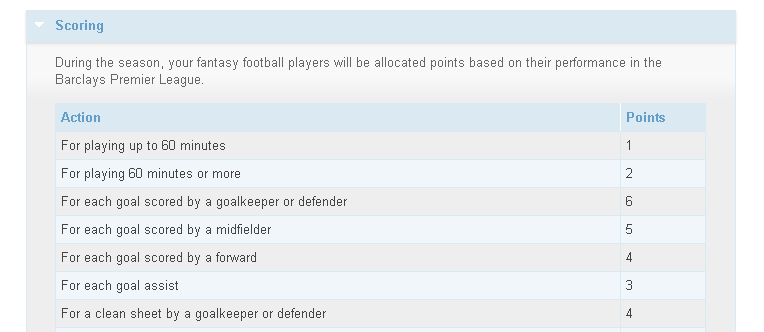
Your players earn fantasy points for actions they perform during real football matches.
Typical scoring categories include:
- Goals.
- Assists.
- Clean sheets.
- Saves.
- Tackles.
- Interceptions.
- Pass completion.
- Minutes played.
Some actions can also result in points being deducted, including yellow cards, red cards and own goals.
Winning Isn’t About Predicting Match Results
One of the biggest misconceptions among beginners is that fantasy football is about predicting who will win football matches.
It isn’t.
Your objective is to select players who will score the most fantasy points, regardless of the final score.
A player can have an excellent fantasy performance even if his team doesn’t win the match.
Season-Long or Daily Fantasy Football?
There are two main types of fantasy football:
- Season-long fantasy football — you manage one squad throughout the season, making transfers as the campaign progresses.
- Daily fantasy football (DFS) — you build a brand-new team for each contest, with results determined over a single matchday or gameweek.
Both formats require football knowledge, but they reward slightly different strategic approaches.
Why Fantasy Football Is So Popular
Fantasy football adds an extra dimension to watching football.
Instead of supporting just one club, you suddenly find yourself following players, statistics and matches from across an entire league.
It combines football knowledge, statistics, research and decision-making into one highly engaging game.
Key Takeaways
- You become the manager of a virtual football team.
- Real-life player performances earn fantasy points.
- You must build your team within a budget.
- Every operator has its own scoring system.
- Success comes from smart player selection rather than predicting match results.
